
Indoor vs Outdoor Cannabis Growing Pros Cons Costs Yield and Legal Tips

Choosing where to grow cannabis shapes almost every part of the experience. It affects how much space is needed, how much money goes into the setup, how much control the grower has, and how closely the project must be managed day to day.
Indoor growing offers privacy and control, but it can get expensive fast. Outdoor growing uses free sunlight and natural airflow, but weather, pests, neighbors, and local laws can complicate the process. The better choice is not always the one with the biggest potential yield. It is the one that fits the available space, budget, climate, and legal limits.
This guide compares the real trade-offs so the decision feels clearer before any money, time, or effort goes in.

Indoor cannabis growing gives more control but demands more space planning
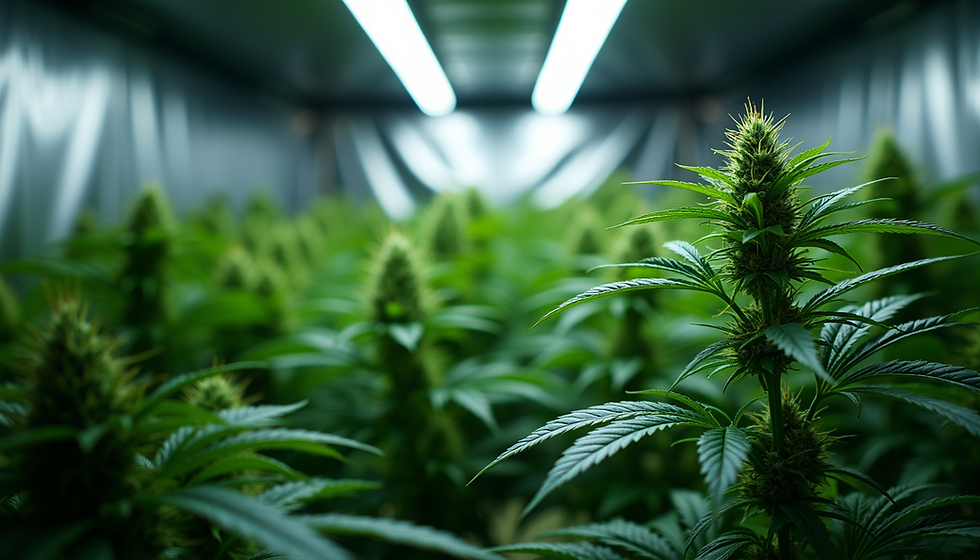
Indoor growing is often chosen for one reason above all others, control. The grower controls the light source, airflow, temperature, humidity, watering access, and visibility. That control can make the process more predictable, especially in areas with short outdoor seasons or harsh weather.
The trade-off is that indoor growing takes planning. A spare closet, tent, basement corner, or dedicated room may look usable at first, but the space must allow for more than the plant itself.
An indoor setup usually needs room for:
The plant canopy and containers
Lights and safe hanging clearance
Fans or ventilation equipment
Access for watering and inspection
Spill protection and electrical safety
Odor control where required
A cramped indoor space can create problems. Poor airflow may raise humidity. Tight access makes routine checks difficult. Heat can build up around equipment. Even a small indoor grow can become frustrating if the space was not planned around movement, maintenance, and safety.
The main indoor advantage is consistency. Plants are less exposed to storms, early frost, drought, animals, and sudden temperature swings. For people in apartments or homes without private outdoor space, indoor growing may be the only realistic option, assuming it is allowed by law and lease terms.
The downside is that the room must do what nature normally does for free. Light, air movement, temperature balance, and basic environmental stability all depend on equipment. That raises cost and maintenance needs.
Practical indoor tips:
Choose a space that is easy to clean and inspect.
Keep water away from electrical connections.
Leave enough room to move around the plants.
Use timers and basic monitoring tools where legal and appropriate.
Plan odor control before it becomes a problem.
Check rental agreements, HOA rules, and local law before setting up.
Growing Cannabis indoors can work well for people who value privacy, repeatability, and year-round scheduling. It is less ideal for anyone who wants the lowest-cost or lowest-maintenance option.
Outdoor growing uses nature but gives up predictability
Outdoor cannabis growing is closer to traditional gardening. Plants use sunlight, natural air movement, and seasonal cycles. That can make the setup simpler and less expensive than an indoor grow.
The space needs are different. Outdoor plants often require more room around them because they are exposed to wind, sun angles, nearby vegetation, and natural growth patterns. A balcony, patio, fenced yard, greenhouse, or garden plot may work in some legal areas, but visibility and security matter.
Outdoor growing may require attention to:
Sun exposure through the day
Privacy from neighbors and public view
Soil or container quality
Access to water
Protection from animals and pests
Weather swings and seasonal timing
Local rules on plant visibility and locked areas
The best outdoor spaces usually get strong direct sun, drain well, and stay private. A hidden or shaded corner may seem convenient, but poor light can limit plant health. A highly visible front yard may have good sun, but it may violate local rules or attract unwanted attention.
Outdoor growing shines when the climate cooperates. Sunlight is free. Airflow is free. The plant can use more natural space. Large containers or in-ground beds can support bigger plants than many indoor setups.
The challenge is uncertainty. Heavy rain, heat waves, wildfire smoke, pests, disease pressure, early cold snaps, and neighborhood exposure can all affect the result. Outdoor growing often rewards patience and observation more than equipment.

Practical outdoor tips:
Pick the sunniest private spot that complies with local law.
Use containers if the ground soil is poor or the space may need to move.
Keep plants away from property lines where visibility may be an issue.
Prepare for weather with stakes, shade cloth, or shelter when allowed.
Inspect regularly for pests, stress, and water needs.
Avoid growing where runoff, theft, or accidental access could become a problem.
Outdoor growing may be the better fit for someone with a secure yard, a legal climate, and patience for seasonal gardening. It is less attractive where privacy is limited or weather is extreme.
Costs can look very different indoors and outdoors
Indoor growing often has higher startup costs because it replaces natural conditions with equipment. Even a modest indoor setup can involve lights, a tent or enclosed space, fans, filters, containers, growing medium, measuring tools, and electricity. The exact cost varies widely, but indoor growing can easily move from a small hobby expense into hundreds or thousands of dollars depending on scale and equipment quality.
Ongoing costs also matter. Electricity is usually the biggest recurring cost indoors. Replacement parts, filters, water, growing media, and basic supplies add more. Indoor growing may produce more consistent results, but consistency comes with a monthly bill.
Outdoor growing usually costs less to start. Sunlight and airflow are free, and many garden supplies overlap with ordinary vegetable or flower gardening. Containers, soil, fencing, stakes, and pest protection may still add up, but the equipment list is generally shorter.
That does not mean outdoor growing is free. Outdoor plants may need better soil, secure enclosures, irrigation help, weather protection, and replacement plants if conditions go wrong. Loss risk can be higher because the environment is less controlled.
Indoor growing
Higher startup cost, higher electric use, more equipment, better environmental control, easier year-round scheduling.
Outdoor growing
Lower startup cost, free sunlight, fewer devices, more weather risk, tied to the growing season.
A simple way to think about cost is this: indoor growing pays for control, outdoor growing accepts natural risk to reduce expense.
Budget tips for either method:
Start smaller than the legal limit allows.
Buy only the equipment the space truly needs.
Leave room in the budget for mistakes and replacements.
Prioritize safety, privacy, and compliance over maximum plant count.
Avoid cheap electrical gear that could create fire risk indoors.
The Indoor, Outdoor choice should never be based on yield dreams alone. A smaller legal grow that can be managed safely is usually better than a larger one that strains the budget or attracts problems.
Yield potential depends on control, space, and risk
Yield is one of the most common reasons growers compare indoor and outdoor methods. Outdoor plants can become very large when they have strong sun, enough root space, a long season, and good care. In that sense, outdoor growing may offer higher yield potential per plant.
Indoor growing may offer more harvest cycles in places where the law allows cultivation and the grower can manage the environment. Because indoor plants are protected from seasons, growing can be scheduled more often. That can help offset the smaller size of indoor plants.
Still, yield is not guaranteed in either setting. Many factors affect the final result:
Genetics and plant health
Root space
Light quality and duration
Temperature and humidity stability
Watering consistency
Pest and disease pressure
Legal plant limits
Grower experience
Indoor growing tends to reduce outside risks but introduces technical risks. Equipment failure, heat buildup, poor ventilation, or inconsistent care can quickly hurt plant health. Outdoor growing reduces equipment dependence but exposes plants to weather, pests, theft, and seasonal limits.

For many home growers, the better question is not, “Which method produces the most?” It is, “Which method can produce a healthy result with the least waste, stress, and legal risk?”
Yield tips that stay practical:
Match plant count to the space, not just the legal maximum.
Give each plant enough room for airflow and access.
Keep records of what works each season or cycle.
Watch for early signs of stress rather than reacting late.
Protect outdoor plants from preventable damage, such as wind breakage or animal access.
Keep indoor equipment clean and safe.
Outdoor growing may win on plant size. Indoor growing may win on repeatability. The right answer depends on whether the grower values seasonal scale or controlled consistency.
Legal considerations should come before any setup
Cannabis laws in the United States vary by state, county, city, landlord, and property type. Some areas allow adult-use home cultivation. Some allow only medical cultivation. Some ban home growing completely. Even legal states often set strict rules on plant counts, locked spaces, visibility, possession limits, and where cannabis can be grown.
This article is for general information only and is not legal advice. Anyone considering cannabis cultivation should check current state and local law before starting.
Common legal issues include:
Minimum age requirements
Plant count limits per person or household
Rules for medical versus adult-use growing
Requirements for locked or enclosed spaces
Limits on public visibility
Restrictions for renters or federally subsidized housing
Local bans, zoning rules, or HOA restrictions
Possession limits after harvest
Rules against selling without a license
Indoor growing may offer better privacy, but it can still violate a lease, building code, or local rule. Outdoor growing may be allowed in some places only if plants are not visible from public areas and are secured against unauthorized access.
Legal compliance also affects safety. A locked area can help prevent access by children, pets, guests, or passersby. Clear labeling, secure storage, and responsible disposal may also matter depending on local rules.

Legal tips before choosing indoor or outdoor:
Check state law, then check city or county rules.
Confirm whether home cultivation is allowed at the property.
Review lease, HOA, and insurance restrictions.
Understand plant count and storage limits.
Keep outdoor plants out of public view if required.
Use locked areas when the law requires them or when safety calls for it.
Do not sell or distribute cannabis without the proper license.
The legal side may decide the method before climate, cost, or yield enters the picture. If outdoor plants must be hidden and locked, a yard without privacy may not work. If indoor growing is banned in a rental unit, a tent in a closet can still create serious trouble.
Which growing method is the better choice
Indoor growing is best for privacy, control, and year-round planning. It suits growers who can manage equipment, electricity costs, ventilation, and daily monitoring. It can also work well in harsh climates or places with short outdoor seasons.
Outdoor growing is best for lower startup costs, natural sunlight, and larger seasonal plants. It suits growers with private legal space, reliable sun, and a willingness to work with weather rather than control every condition.
Here is the short version:
Factor | Indoor growing | Outdoor growing |
Space | Can fit small areas, but needs equipment clearance | Needs private sunlit space and security |
Control | High control over environment | Lower control, nature sets the pace |
Cost | Higher startup and electricity costs | Lower startup cost, more weather risk |
Yield potential | Consistent, often smaller per plant | Larger plants possible in good conditions |
Legal risk | Privacy helps, but leases and safety rules matter | Visibility and security rules often matter more |
Maintenance | Frequent equipment checks | Frequent weather and pest checks |
A thoughtful choice starts with three questions.
What space is legal and secure?
If the answer is unclear, solve that first.
What budget is realistic after startup costs?
Indoor equipment and electricity can change the math.
What kind of risk is easier to manage?
Indoor growers manage technical risk. Outdoor growers manage environmental risk.
For many people, a small and compliant setup is the smartest first step. It leaves room to learn, reduces waste, and makes problems easier to fix. Indoor growing offers control at a price. Outdoor growing offers natural power with less predictability. The best method is the one that matches the law, the space, the climate, and the level of attention the grower can honestly give.


Comments