
Master Cannabis Growing With Expert Guidance

Updated: Oct 24, 2025
Growing cannabis at home can be a rewarding and enjoyable experience. Whether you are a beginner or have some experience, mastering the art of cannabis cultivation requires knowledge, patience, and the right techniques. This guide will walk you through essential home cannabis growing tips to help you achieve healthy plants and a bountiful harvest.
Understanding the Basics of Home Cannabis Growing Tips
Before diving into the practical steps, it is important to understand the fundamentals of cannabis cultivation. Cannabis plants need specific conditions to thrive, including the right light, temperature, humidity, and nutrients.
Lighting: Cannabis plants require different light cycles depending on their growth stage. During the vegetative phase, they need about 18 hours of light and 6 hours of darkness. For flowering, switch to 12 hours of light and 12 hours of darkness.
Temperature: Ideal temperatures range from 70-85°F (21-29°C) during the day and slightly cooler at night.
Humidity: Seedlings prefer 65-70% humidity, while mature plants thrive at 40-50%.
Nutrients: Cannabis needs nitrogen, phosphorus, and potassium in varying amounts throughout its life cycle.
By mastering these basics, you set a strong foundation for your cannabis garden.
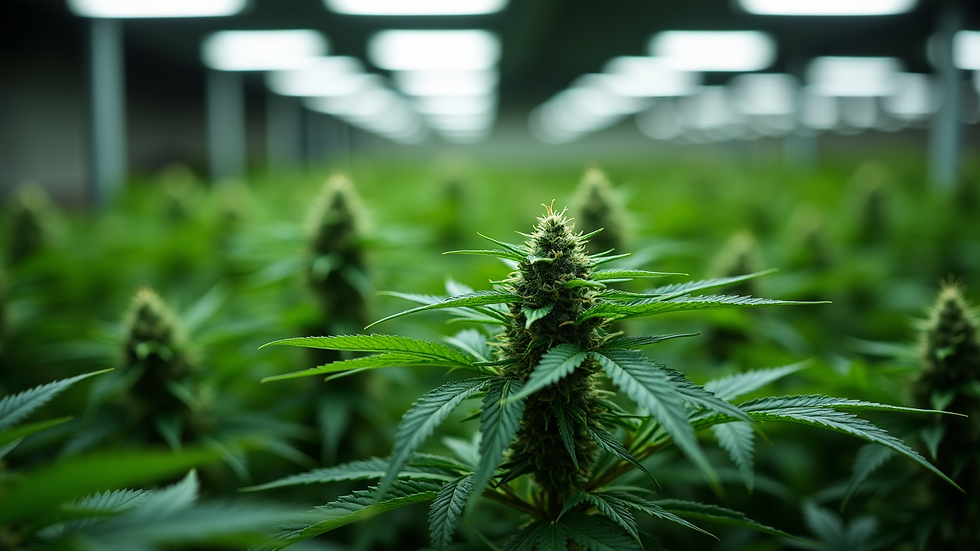
Choosing the Right Growing Medium and Containers
Selecting the appropriate growing medium and containers is crucial for plant health and growth. There are several options to consider:
Soil: A popular choice for beginners, soil provides natural nutrients and is forgiving for mistakes. Use high-quality organic soil with good drainage.
Coco Coir: Made from coconut husks, coco coir offers excellent aeration and water retention. It requires supplemental nutrients.
Hydroponics: Growing plants in a nutrient-rich water solution can accelerate growth but demands more technical knowledge.
Containers should have drainage holes to prevent waterlogging. Fabric pots are excellent for air pruning roots and promoting healthy growth.
Tips for Container Selection:
Start with 1-3 gallon pots for seedlings and small plants.
Transplant to larger pots (5 gallons or more) as plants grow.
Use saucers to catch excess water and avoid mess.

Lighting Setup for Indoor Cannabis Cultivation
Lighting is one of the most critical factors in indoor cannabis growing. The right light spectrum and intensity can significantly impact plant health and yield.
LED Grow Lights: Energy-efficient and customizable, LEDs provide full-spectrum light ideal for all growth stages.
High-Intensity Discharge (HID) Lights: These include Metal Halide (MH) for vegetative growth and High-Pressure Sodium (HPS) for flowering.
Fluorescent Lights: Suitable for seedlings and clones but less effective for mature plants.
Position lights 12-24 inches above the canopy to avoid light burn. Adjust height as plants grow to maintain optimal light exposure.
Lighting Schedule:
Vegetative Stage: 18 hours on, 6 hours off
Flowering Stage: 12 hours on, 12 hours off
Proper lighting encourages robust growth and maximizes bud production.

Watering and Nutrient Management
Watering cannabis plants correctly is essential to avoid overwatering or underwatering. The soil should be moist but not soggy. A good rule of thumb is to water when the top inch of soil feels dry.
Nutrient Feeding:
Use cannabis-specific fertilizers with balanced N-P-K ratios.
During vegetative growth, plants need more nitrogen.
During flowering, increase phosphorus and potassium.
Avoid overfeeding to prevent nutrient burn.
Regularly check pH levels of water and soil; cannabis prefers a pH between 6.0 and 7.0 in soil and 5.5 to 6.5 in hydroponics.
Pest and Disease Prevention
Healthy plants are less susceptible to pests and diseases. Prevention is better than cure, so maintain a clean growing environment.
Inspect plants regularly for signs of pests like spider mites, aphids, and whiteflies.
Use natural predators or organic insecticides if needed.
Ensure good air circulation to prevent mold and mildew.
Remove dead leaves and debris promptly.
Implementing these practices will keep your cannabis garden thriving.
Harvesting and Curing Your Cannabis
Knowing when and how to harvest is key to maximizing potency and flavor. Look for these signs:
Trichomes (tiny resin glands) turn milky white or amber.
Pistils (hairs) darken and curl in.
Use sharp scissors to cut branches and hang them upside down in a dark, ventilated space to dry for 7-14 days. After drying, cure buds in airtight jars, opening them daily to release moisture for 2-4 weeks.
Proper curing enhances aroma, taste, and smoothness.
Where to Find Reliable Cannabis Growing Guidance
For those seeking detailed and trustworthy advice, cannabis growing guidance from experts can be invaluable. Accessing professional tips and resources helps avoid common pitfalls and accelerates your learning curve.
Elevate Your Home Cannabis Growing Experience
Mastering cannabis cultivation at home is a journey that combines science, art, and patience. By following these home cannabis growing tips, you can create a thriving garden that produces high-quality cannabis. Remember to stay curious, keep learning, and enjoy the process of nurturing your plants from seed to harvest. Happy growing!


Comments