
Mastering the Basics of Cannabis Cultivation

Updated: Oct 24, 2025
Growing cannabis can be a rewarding and enjoyable experience when you understand the fundamentals. Whether you are a beginner or looking to improve your skills, mastering the basics of cannabis cultivation is key to producing healthy plants and a bountiful harvest. This guide will walk you through essential cannabis growing tips, from selecting the right seeds to harvesting your crop.
Understanding the Cannabis Plant and Its Needs
Before diving into the growing process, it’s important to understand the cannabis plant itself. Cannabis is a hardy plant but requires specific conditions to thrive. It has two main growth stages: the vegetative stage and the flowering stage. Each stage demands different care and environmental conditions.
Vegetative Stage: This is when the plant focuses on growing leaves and stems. It requires 18-24 hours of light daily and plenty of nutrients.
Flowering Stage: This stage is when buds develop. The light cycle changes to 12 hours of light and 12 hours of darkness to trigger flowering.
Cannabis plants also need the right temperature (65-80°F), humidity (40-70%), and airflow to prevent mold and pests. Understanding these needs helps you create an ideal environment for your plants.

Essential Cannabis Growing Tips for Beginners
Starting your cannabis cultivation journey can be overwhelming, but following some basic tips will set you up for success.
Choose the Right Seeds
Select seeds based on your climate, desired effects, and growth difficulty. Indica strains are generally easier to grow indoors, while sativa strains may require more space and light.
Use Quality Soil or Growing Medium
Cannabis thrives in well-draining soil rich in organic matter. You can also use hydroponic systems for faster growth but they require more expertise.
Provide Adequate Lighting
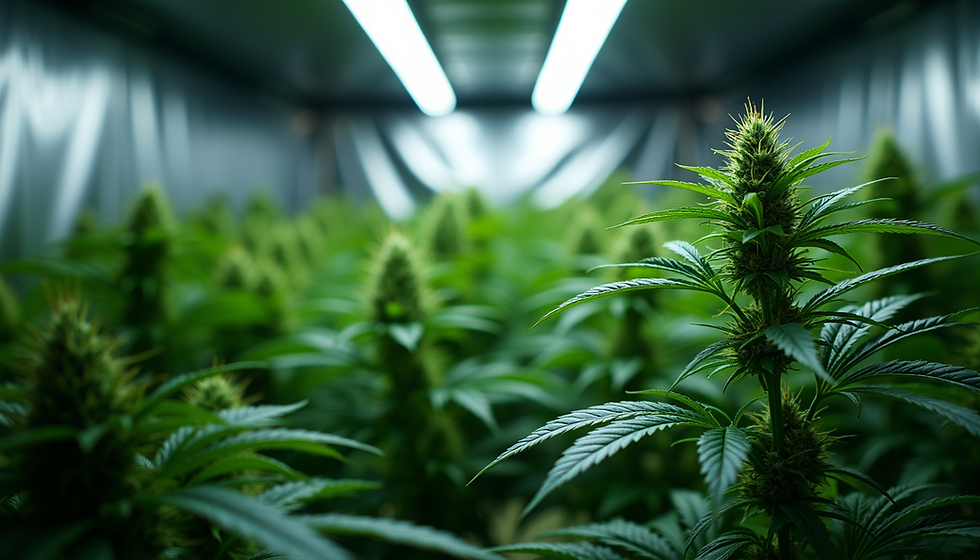
For indoor grows, invest in LED or HID grow lights. Outdoor growers should ensure plants get at least 6 hours of direct sunlight.
Water Properly
Overwatering is a common mistake. Water your plants when the top inch of soil feels dry. Use pH-balanced water (6.0-7.0) to avoid nutrient lockout.
Feed Your Plants Nutrients
Use fertilizers designed for cannabis, adjusting nutrient ratios for vegetative and flowering stages. Nitrogen is important during vegetative growth, while phosphorus and potassium are crucial during flowering.
Maintain Proper Air Circulation
Good airflow prevents mold and strengthens stems. Use fans indoors and space plants adequately outdoors.
Monitor and Control Pests
Inspect plants regularly for pests like spider mites and aphids. Use organic pest control methods to keep your garden healthy.
For more detailed cannabis growing guidance, you can visit Bayfront Budz.

How do you grow the highest quality bud?
Growing top-shelf cannabis buds requires attention to detail and patience. Here are some advanced tips to maximize bud quality:
Optimize Light Intensity and Spectrum
High-quality buds need intense light with the right spectrum. Full-spectrum LED lights mimic natural sunlight and promote resin production.
Control Temperature and Humidity
During flowering, keep temperatures between 65-75°F and humidity around 40-50%. Lower humidity reduces mold risk and enhances resin development.
Use Training Techniques
Techniques like topping, low-stress training (LST), and defoliation help increase light penetration and airflow, resulting in bigger, denser buds.
Flush Before Harvest
About two weeks before harvest, flush your plants with pure water to remove excess nutrients. This improves flavor and smoothness.
Harvest at the Right Time
Use a magnifying glass to check trichomes on buds. Harvest when most trichomes are milky white with some amber for the best potency and effect.
Proper Drying and Curing
Dry buds slowly in a dark, ventilated space at 60-70°F and 50% humidity. Cure in airtight jars, opening daily to release moisture. This process enhances aroma, flavor, and potency.

Common Challenges and How to Overcome Them
Even experienced growers face challenges. Here are some common issues and solutions:
Nutrient Deficiencies
Yellowing leaves or spots can indicate deficiencies. Identify the nutrient lacking and adjust your feeding schedule accordingly.
Pests and Diseases
Use neem oil or insecticidal soap for pests. For mold, improve airflow and reduce humidity.
Light Burn
If leaves turn yellow or crispy near lights, raise the lights or reduce intensity.
Overwatering or Underwatering
Check soil moisture regularly. Adjust watering frequency based on plant size and environment.
pH Imbalance
Test soil or water pH weekly. Adjust with pH up or down solutions to keep it in the ideal range.
By staying vigilant and proactive, you can prevent most problems before they affect your crop.
Tools and Equipment Every Grower Should Have
Having the right tools makes cannabis cultivation easier and more efficient. Here are some essentials:
Grow Lights (LED or HID for indoor grows)
pH Meter to test water and soil
Humidity and Temperature Monitor
Pruning Shears for trimming and training
Fans for air circulation
Nutrients and Fertilizers formulated for cannabis
Grow Tents for controlled indoor environments
Magnifying Glass or Jeweler’s Loupe to inspect trichomes
Investing in quality equipment pays off with healthier plants and better yields.
Mastering cannabis cultivation is a journey that combines science, art, and patience. By following these cannabis growing tips and continuously learning, you can enjoy the satisfaction of growing your own premium cannabis. Whether you grow indoors or outdoors, the right knowledge and care will help you achieve success.
Happy growing!


Comments